The Blurring Horizon: Rethinking Logistics in a Hyper-Connected, Sustainable World

The evolution of global logistics and operations is unfolding at an unprecedented pace, driven by the amalgamation of technological advancements, consumer expectations, and an unyielding push towards sustainability. This fusion is dissolving the traditional boundaries that once separated planning from execution, heralding a new era where adaptability, collaboration, and environmental stewardship define the path forward.

Real-Time Adaptability Meets Sustainability

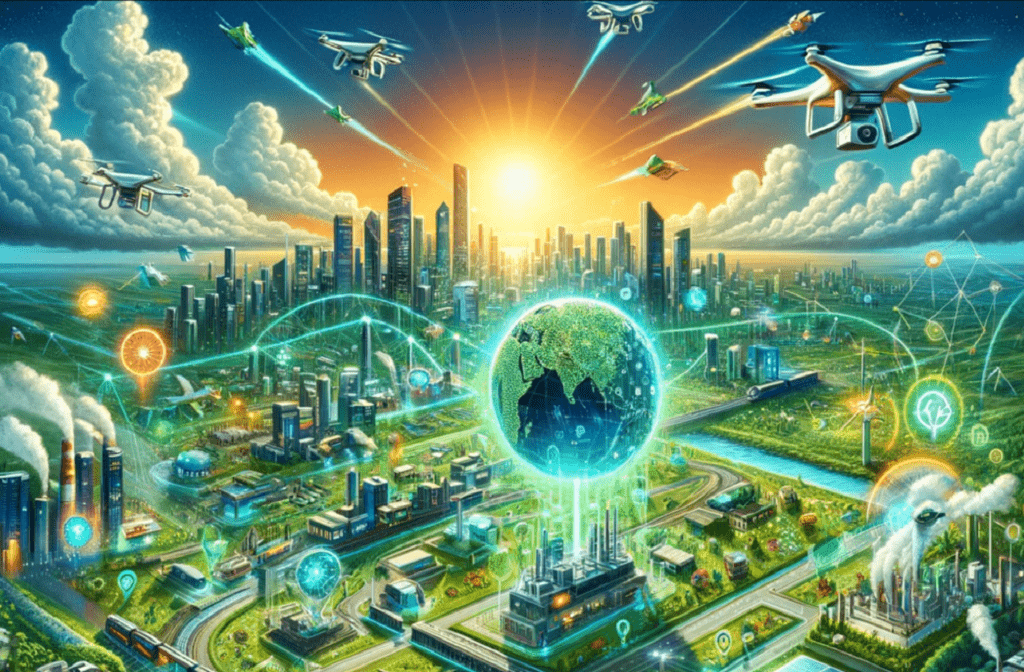
The digital era has ushered in a dynamic where customer demands can shift overnight, influenced by trends, social media, and global events. The story of Walmart leveraging AI for real-time demand forecasting exemplifies how operations can become both responsive and predictive. Integrating this agility with a commitment to sustainability is the next frontier. Imagine a logistics network that not only anticipates demand but also optimizes routes and inventory in real-time to minimize carbon footprints, embodying DHL’s vision for zero-emission logistics.

The Collaborative Ecosystem: A Sustainable Network

The dissolution of operational silos in favor of a collaborative ecosystem is reshaping logistics. The partnership between PSA International and Rotterdam Worldwide Terminals showcases how shared digital platforms can enhance efficiency. Extending this collaborative spirit to embrace sustainability, companies can form alliances for shared transportation modes, reducing the number of trips and, consequently, emissions. This model of cooperation can extend beyond firms to include customers, encouraging a shift towards sustainable consumption practices.

Human Expertise in the Age of Automation

As automation and robotics become commonplace, the role of human workers is evolving but not diminishing. Amazon’s investment in upskilling its workforce underscores the irreplaceable value of human judgment and adaptability. In the context of sustainability, equipping employees with the knowledge and tools to operate in an eco-friendly manner becomes vital. Training programs that emphasize sustainable practices, from energy conservation to waste reduction, will ensure that technological efficiency and environmental stewardship go hand in hand.

Balancing Agility with Environmental Responsibility

The challenge of maintaining logistical agility while honoring commitments to sustainability is more pronounced in the fast-paced world of e-commerce. The initiatives by companies like DHL to integrate electric vehicles and renewable energy into their operations represent steps towards reconciling this balance. Moreover, optimizing packaging and exploring innovative delivery methods, such as drones for urban areas, could reduce both delivery times and ecological footprints.

Embracing the Blur: A Journey of Continuous Adaptation

The future of logistics and operations is characterized by a continuous adaptation to the ever-blurring lines between planning and execution, driven by technology, consumer demand, and a profound commitment to sustainability. This new landscape requires a holistic approach—leveraging data-driven insights for real-time responsiveness, fostering collaborative networks that extend beyond traditional industry boundaries, and embedding sustainability into the core of logistical operations.

As executives, stepping into this future means embracing uncertainty and making a steadfast commitment to innovation, collaboration, and environmental stewardship. It’s about building adaptable systems that anticipate change, empower people, and prioritize the planet. In doing so, we can transform the challenges of a hyper-connected, sustainable world into opportunities for growth, resilience, and leadership in the global marketplace. The journey ahead is not just about moving goods but reimagining the essence of global commerce for a better world.

Metaverse

Stepping into the Metaverse: How Different Industries are Embracing a Virtual Future

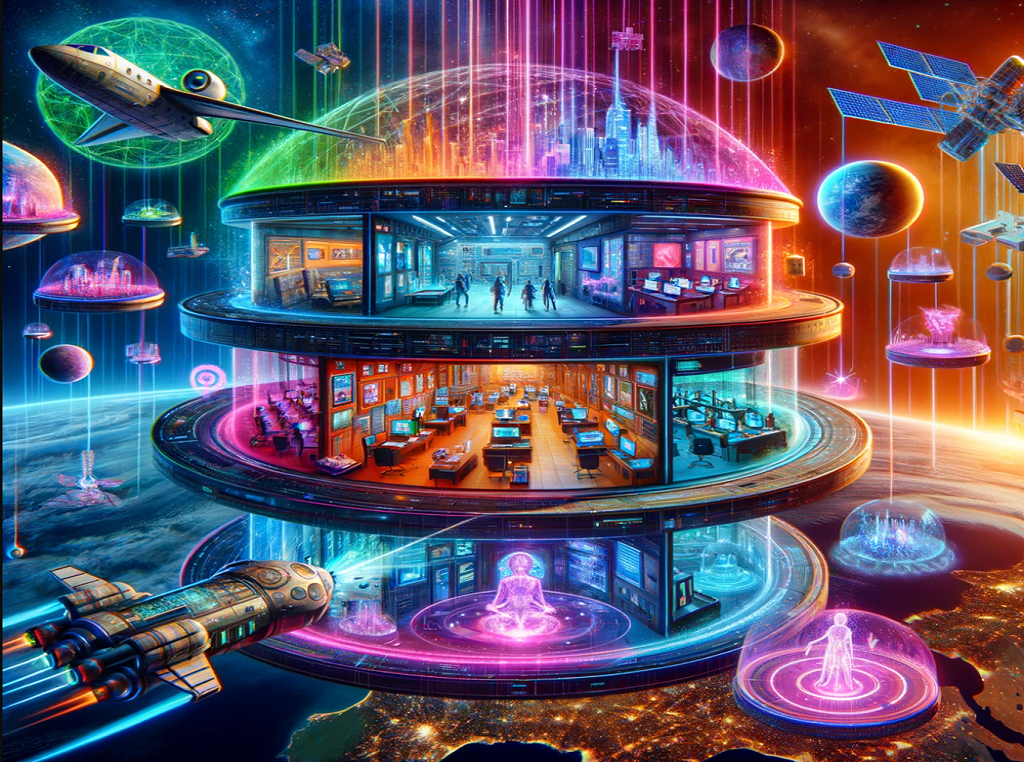
The Metaverse, once a futuristic concept confined to the realms of science fiction, has gradually seeped into our reality, offering transformative potential across various industries. This digital universe, where users can interact with a computer-generated environment and other users, is no longer just a playground for gamers but a burgeoning platform for innovation, collaboration, and immersive experiences. Let’s delve into the real-world use cases of the Metaverse across different sectors, highlighting its impact, opportunities, and challenges.

Education and Training

In education, the Metaverse is redefining the learning experience, transcending physical and geographical limitations. Virtual classrooms in the Metaverse offer interactive, 3D learning environments where students can participate in simulations, conduct experiments, and explore historical sites or outer space in a highly engaging manner. For example, medical students can perform virtual surgeries, allowing for hands-on experience without the risk associated with real-life operations. Similarly, in vocational training, apprentices can practice skills in a virtual workshop, gaining proficiency before applying them in real-world scenarios.

Healthcare

The healthcare industry stands to benefit significantly from Metaverse applications, especially in patient care and medical education. Through virtual reality (VR), patients can receive therapy in environments tailored to their specific needs, such as exposure therapy for phobias or PTSD. The Metaverse also enables medical professionals to collaborate on complex cases in a virtual space, regardless of their physical location, fostering a more integrated approach to patient care. Additionally, it facilitates the visualization of complex biological processes and structures in 3D, enhancing the learning experience for students and professionals alike.

Real Estate

The Metaverse is revolutionizing the real estate industry by enabling virtual property showcases and transactions. Prospective buyers can tour properties in a virtual world, experiencing the space in a more immersive way than traditional photos or videos can provide. This not only saves time but also extends the market reach of properties to international investors. Moreover, the concept of virtual real estate has emerged, where users can buy, sell, or rent digital properties in the Metaverse, opening up new investment opportunities and challenges in defining ownership and value in digital spaces.

Retail and Fashion

Retail and fashion brands are leveraging the Metaverse to offer unique shopping experiences and product launches. Consumers can visit virtual stores, try on clothes virtually using avatars, and make purchases that are then delivered to their physical address. This blending of digital and physical shopping experiences caters to the growing demand for personalized and convenient shopping options. Additionally, exclusive digital fashion items for avatars are becoming a new trend, reflecting the blurring lines between virtual and physical identities.

Entertainment and Social Interaction

The entertainment industry is arguably the most natural fit for the Metaverse, offering immersive experiences that traditional media cannot match. Virtual concerts, exhibitions, and theme parks allow users to experience events from the comfort of their homes, with the added benefit of interacting with others in real-time. Social interaction in the Metaverse transcends physical boundaries, enabling people to meet, collaborate, and form communities in a virtual space. This has implications for social dynamics, identity, and digital citizenship, raising important questions about privacy, security, and the nature of human interaction in digital worlds.

Challenges and Considerations

Despite its vast potential, the Metaverse faces several challenges. Issues of privacy, data security, and cyberbullying are paramount, requiring robust governance frameworks. The digital divide could widen, with unequal access to the Metaverse technology based on geographic or economic factors. Moreover, the environmental impact of powering extensive virtual worlds cannot be overlooked.

The Metaverse is carving out significant niches across various industries, offering innovative solutions to age-old problems and opening up new frontiers for exploration and growth. As we navigate this digital evolution, it is crucial to foster an inclusive, secure, and sustainable Metaverse that enhances the real world rather than escaping from it. The journey into the Metaverse is just beginning, and its full potential is only limited by our imagination and our commitment to addressing the challenges that come with it.

The Micro-Burst Model: Rethinking Productivity for the Modern Era

The seismic shifts initiated by the Great Resignation have left an indelible mark on the corporate landscape, challenging the status quo of work as we know it. This period of transformation, often termed “The Great Reshuffle,” has unveiled a critical insight: the age-old 9-to-5 framework is increasingly misaligned with the aspirations and needs of the contemporary workforce. The journey forward requires us not merely to rethink employee perks but to fundamentally reimagine the very structure of work to unlock unprecedented levels of engagement and creativity.

From Retention to Empowerment: The Call for a Deeper Shift

The narrative is shifting from simple retention strategies to a more profound exploration of how to cultivate an environment that not only retains talent but actively amplifies their potential. In this evolving scenario, conventional office perks like game rooms or gourmet snacks, though appreciated, barely scratch the surface of what it takes to truly engage and inspire today’s workforce.

The Asynchronous Symphony: Harmonizing Individual Rhythms

Traditionally, work has been likened to an assembly line—predictable, uniform, and rigid. This model, however, starkly contrasts with the nature of human creativity and productivity, which flourishes in diverse rhythms and patterns. Embracing asynchronous work practices offers a path forward, allowing individuals to tailor their work schedules around their most productive hours. This flexibility leads to a richer tapestry of productivity, marked by bursts of intense focus and creativity rather than a monotonous, eight-hour grind.

Reinventing the Office Space: From Cubicles to Collaboration Hubs

The future of the physical office is being redefined from a space of compulsory attendance to a dynamic hub for innovation, connection, and collaboration. This vision transforms the traditional office into a space that supports a variety of work modes and styles, from quiet areas for deep focus to open spaces designed for team-based brainstorming and problem-solving. The office of the future is less about occupancy and more about opportunity—providing the resources and environment conducive to creative and collaborative work.

The Micro-Burst Work Model: Efficiency and Well-being Hand in Hand

Imagine a workday punctuated by “micro-bursts” of productivity—intense periods of focused work followed by intervals dedicated to professional development, personal wellness, or even pursuing complementary passions. This model promotes a holistic approach to work, recognizing that employee well-being and professional growth are intrinsically linked to productivity and innovation. It’s a paradigm that not only enhances work efficiency but also supports a more balanced and fulfilling life outside of work.

Embracing a Human-Centric Future

At the core of these evolving work practices is a commitment to putting people first. The future of work is not about extracting more hours from employees but about fostering an ecosystem in which they can truly thrive. This human-centric approach prioritizes flexibility, acknowledges individual work patterns, and reimagines the role of the office to unleash the full potential of the workforce.

The Path Forward: Challenge and Opportunity

Adopting these innovative work models is not without its challenges. It requires a departure from long-established norms and a willingness to experiment with new ways of working. Yet, the companies that dare to embrace this shift stand to gain immensely—cultivating a more motivated, engaged, and loyal workforce that is not only more productive but also more innovative and resilient.

The question facing leaders today is not whether the future of work will continue to evolve, but rather how swiftly and thoughtfully they can adapt to these changes. By reimagining the structure of work, embracing flexibility, and prioritizing the human element, organizations can navigate the Great Reshuffle not as a crisis to be managed but as a transformative opportunity to redefine what it means to work—and thrive—in the 21st century.

Revolutionizing Supply Chains with Artificial Intelligence: A Manager’s Guide

In today’s fast-paced business environment, supply chain managers are increasingly turning to artificial intelligence (AI) to streamline operations, enhance decision-making, and boost overall efficiency. The integration of AI into supply chain management can offer substantial benefits, including improved accuracy in demand forecasting, enhanced procurement processes, optimization of warehouse operations, predictive maintenance, and robust risk management. Here’s how supply chain managers can practically apply AI in their daily activities:

Adopt AI-Enhanced Demand Forecasting

Traditional demand forecasting methods, while useful, often fall short in predicting accurate future demands. AI steps in to fill this gap by analyzing vast amounts of historical sales data, market trends, and external variables such as weather conditions. By leveraging AI algorithms, supply chain managers can produce more precise demand forecasts, enabling optimized inventory management and more efficient production scheduling.

Streamline Procurement with AI Assistance

AI can revolutionize procurement by automating routine tasks through the use of AI-powered chatbots. These bots can handle supplier inquiries, process basic order confirmations, and manage delivery schedules, freeing human workers to concentrate on strategic procurement decisions. This not only saves time but also increases the procurement process’s efficiency and accuracy.

Enhance Warehouse Efficiency with AI

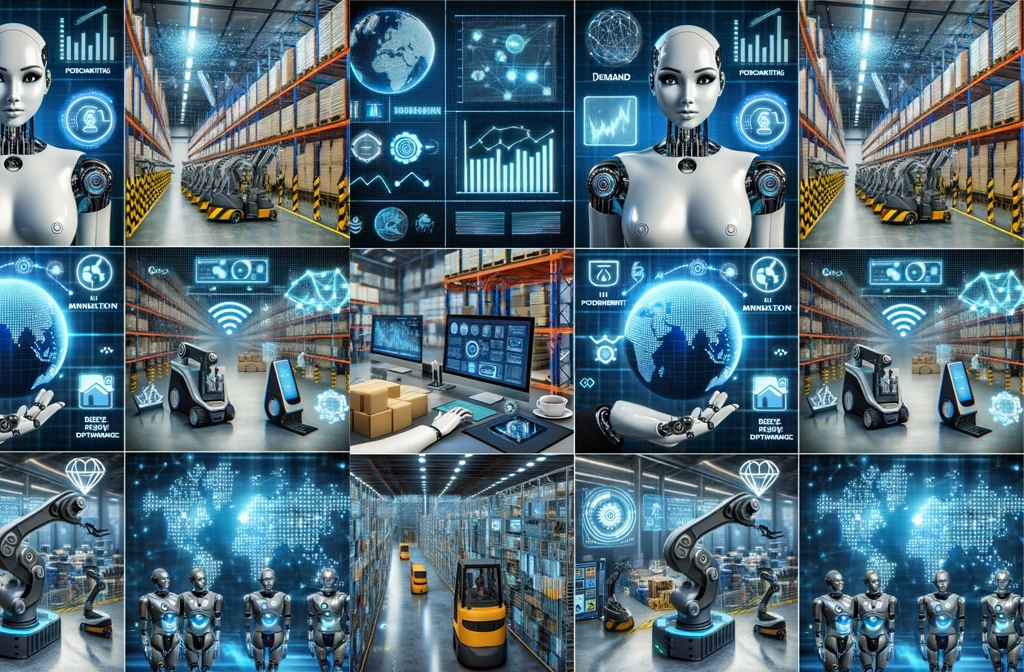
AI technologies offer significant improvements in warehouse management, from optimizing the layout for better space utilization to automating picking and packing processes with robots. AI-driven route planning also ensures that warehouse operations are more efficient, reducing manual labor errors and enhancing throughput.

Implement Predictive Maintenance through AI

By monitoring equipment and machinery with AI systems, supply chain managers can predict and prevent potential failures before they disrupt operations. This proactive approach minimizes downtime, reduces the risk of costly production stoppages, and ensures a smoother production flow.

Strengthen Supply Chain Resilience with AI-Powered Risk Management

AI algorithms are adept at analyzing real-time data on potential supply chain threats, such as adverse weather conditions or geopolitical tensions. By leveraging AI for risk management, supply chain managers can develop proactive strategies to mitigate risks, ensuring that they can quickly respond to unexpected challenges.

Incorporating AI into daily supply chain management practices offers a pathway to not only improve operational efficiency but also to achieve cost savings and bolster supply chain resilience. As supply chain managers embrace these practical AI applications, they unlock the potential to navigate the complexities of modern supply chains more effectively.