

The Hyperloop: A Glimpse into the Future of Logistics?

The current status of hyperloop projects is a mixed bag of progress and setbacks. While the technology holds immense potential for revolutionizing transportation, it still faces significant challenges before becoming a mainstream reality.

Positive Developments:

Several companies are actively pursuing hyperloop development. HyperloopTT, for instance, is making substantial headway with its ambitious Abu Dhabi-Dubai project. With the first commercial prototype and a visitor center already under construction, the company is showcasing its commitment to transforming the future of transportation. HyperloopTT isn’t stopping there; they have active projects in the US and Brazil, proving that the hyperloop concept is gaining global traction.

China, often at the forefront of technological innovation, is leading the charge with a full-scale commercial system under construction, set to connect the bustling cities of Shanghai and Hangzhou. This ambitious project underscores China’s dedication to pushing the boundaries of transportation technology.

Other notable players in the hyperloop race include Virgin Hyperloop, although they recently faced layoffs, Swisspod Technologies, and DGW Hyperloop in India. These companies continue to push technological boundaries in their pursuit of high-speed, sustainable transportation.

Moreover, technological advancements are ongoing. Companies across the globe are continually refining levitation systems, pod designs, and propulsion technologies, pushing the envelope of speed and efficiency. These innovations are gradually bringing hyperloop transportation closer to reality.

The regulatory landscape is also evolving. In a significant move towards standardization, the European Commission released the first technical standard for hyperloop systems in 2023. This development marks a crucial step forward, as standardized regulations will pave the way for safer, more widespread hyperloop adoption.

Challenges and Setbacks:

However, hyperloop projects are not without their challenges and setbacks. High costs remain a significant hurdle. Building and maintaining hyperloop infrastructure demands substantial investments, and finding the necessary financial backing to make these projects commercially viable is no small feat.

Safety concerns loom large as well. Operating at incredibly high speeds within a vacuum environment raises legitimate safety issues that require rigorous testing and robust regulations to address adequately.

Furthermore, seamless integration with existing transportation systems is a prerequisite for widespread adoption. Hyperloop networks must seamlessly connect with airports, railways, and other modes of transportation to realize their full potential and convenience for passengers and cargo.

Public perception plays a critical role in the journey toward hyperloop adoption. Building public trust and addressing concerns about safety, environmental impact, and the overall viability of this mode of transportation are vital for gaining widespread acceptance.

Although the future of hyperloops remains uncertain, the potential rewards are immense. Significant progress has been made, but substantial challenges need to be overcome before we see hyperloops transporting passengers and cargo across the globe. Despite the obstacles, the hyperloop development race remains a captivating and transformative endeavor to watch. Keep an eye out for exciting advancements in the coming years as the world inches closer to a transportation revolution.
Title: Navigating Choppy Waters: The Unfolding Impact of Climate Change on Global Supply Chains

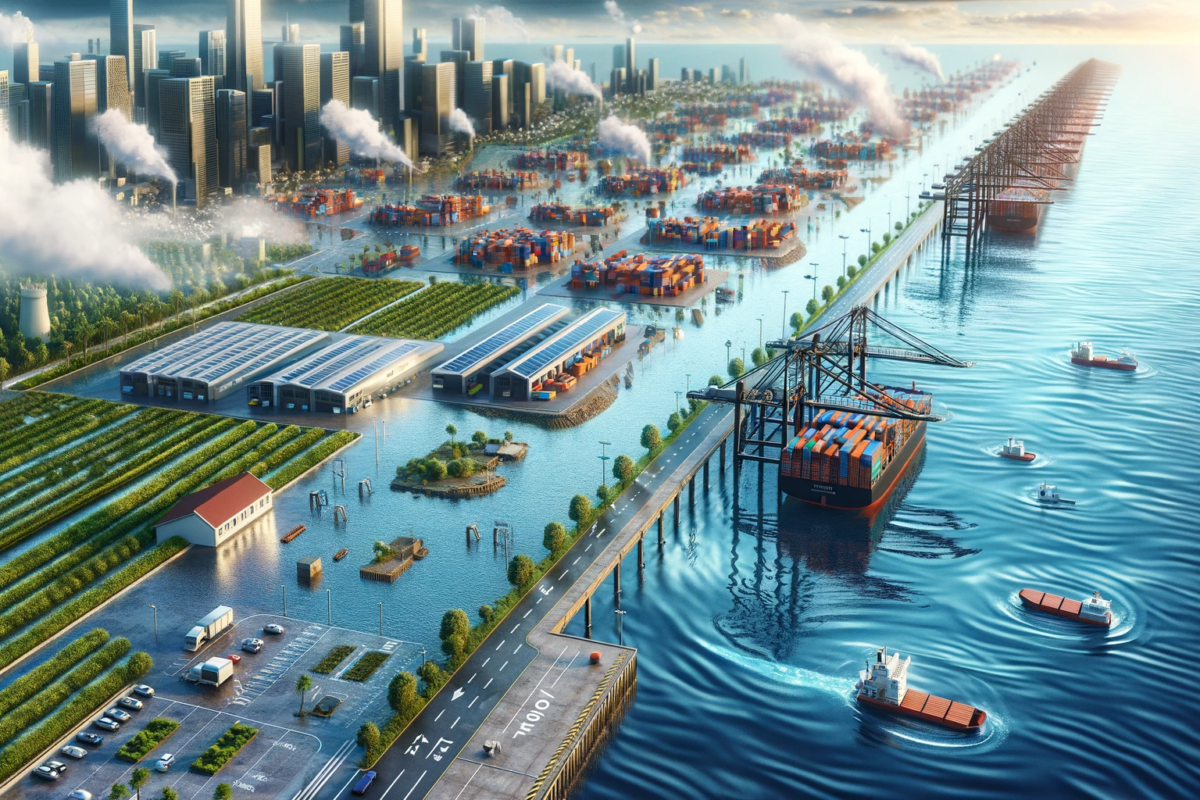
The impact of climate change on global supply chains is no longer a distant, hypothetical concern; it is a pressing reality reshaping the landscape of international commerce. From rising sea levels disrupting transport routes to extreme weather events wreaking havoc on production processes, the consequences of climate change have become an urgent and critical topic for businesses worldwide.

As the Earth’s climate continues to undergo unprecedented changes, the vulnerabilities of global supply chains are laid bare. Rising sea levels, attributed to the melting polar ice caps, pose a significant threat to maritime transportation—a linchpin of international trade. Ports and shipping lanes, once considered reliable conduits for the movement of goods, are now at risk of being submerged or rendered impassable, disrupting the seamless flow of products across the globe.

Extreme weather events, intensified by climate change, are increasingly disrupting manufacturing and production facilities. From hurricanes and typhoons to wildfires and floods, no corner of the globe is immune to the far-reaching consequences of a changing climate. These events not only halt production but also lead to the destruction of infrastructure, causing delays and financial losses that reverberate throughout the supply chain.

In response to these challenges, businesses are being forced to reevaluate and fortify their supply chain strategies. Resilience has become the buzzword as companies seek to build robust systems capable of withstanding the unpredictable nature of climate-related disruptions. This includes diversifying sourcing locations, implementing climate-resilient infrastructure, and adopting advanced technologies to monitor and mitigate risks in real-time.

Furthermore, companies are recognizing the importance of sustainable and environmentally friendly practices as a means of mitigating their contribution to climate change. The adoption of circular economies, where resources are recycled and reused, is gaining traction as businesses strive to reduce their carbon footprint. This shift towards sustainability not only aligns with global efforts to combat climate change but also enhances the long-term viability of supply chains.

Collaboration is emerging as a key component in addressing the challenges posed by climate change. Governments, businesses, and non-governmental organizations are increasingly coming together to share data, expertise, and best practices. The collective effort aims to create a more resilient and adaptive global supply chain network that can weather the storms—both literal and metaphorical—of a changing climate.

The impact of climate change on global supply chains is a rapidly evolving and critical topic that demands immediate attention and strategic adaptation. Businesses must proactively assess and fortify their supply chain strategies to navigate the challenges presented by rising sea levels and extreme weather events. Embracing resilience, sustainability, and collaboration is not only a response to the current climate crisis but also a strategic imperative for ensuring the continued viability of global supply chains in the face of an uncertain future.

Buckle Up: A Glimpse into The Future of Transportation

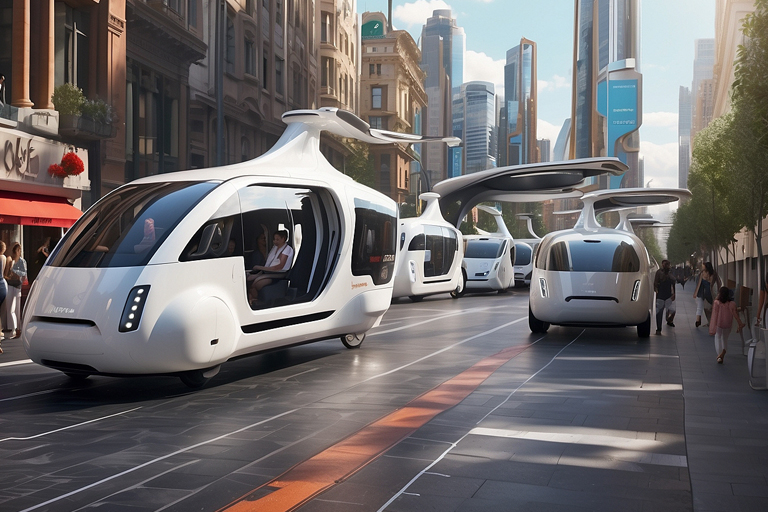
Transportation is on the cusp of a revolution. Imagine a world where self-driving cars navigate seamlessly through bustling city streets, flying taxis offer breathtaking views during your commute, and hyperloops whisk you across continents in record time. This isn’t science fiction; it’s the near future of transportation.

Autonomous Vehicles: The Road Ahead

Self-driving cars, once considered a futuristic dream, are now a reality on the horizon. Leading tech companies and automotive giants are rapidly developing autonomous driving technology, and trials are already underway in various cities worldwide. These vehicles have the potential to revolutionize transportation, making roads safer, reducing traffic congestion, and improving accessibility for those who cannot drive themselves.

Taking Flight with Electric Air Taxis

The skies are poised to become a major transport corridor in the coming years. Electric air taxis, also known as eVTOLs, are emerging as a promising solution for congested urban environments. These quieter and environmentally friendly aircraft offer a convenient and time-saving alternative to traditional ground transportation, especially for short trips within cities.

Hyperloop: Hyper-speed Travel is on the Horizon

Imagine traveling across vast distances in a matter of minutes. The Hyperloop, a revolutionary transportation system conceptualized by Elon Musk, promises to do just that. This futuristic technology uses pods traveling through near-vacuum tubes at supersonic speeds, offering a faster and more sustainable alternative to airplanes and high-speed trains.

Beyond Vehicles: A Multimodal Future

The future of transportation isn’t just about vehicles. It’s about creating a connected and integrated network of transportation options that work seamlessly together. This includes the development of robust public transportation systems, bike-friendly infrastructure, and smart traffic management technologies.

Fueling the Future: Sustainable Solutions

As we look towards the future of transportation, sustainability is paramount. Electric vehicles, renewable energy sources, and carbon-neutral fuels are crucial for reducing the environmental impact of transportation.

The Road Ahead: Embracing Change and Opportunity

The future of transportation holds immense potential. While challenges remain in terms of regulation, technology development, and public acceptance, the benefits are undeniable. By embracing innovation and collaboration, we can create a transportation system that is safer, cleaner, and more efficient for everyone.

Mastering the Digital Realm: How Systems Integration Fuels Corporate Agility

In the fast-paced and ever-evolving landscape of today’s business world, corporations are constantly seeking ways to enhance efficiency, streamline operations, and stay ahead of the competition. One powerful tool that sometimes goes overlooked is systems integration—a process that can revolutionize the way organizations operate and position themselves for sustainable success.

Breaking Down Silos: The Power of Integration

Corporations today rely on a myriad of systems to manage various aspects of their operations—customer relationship management (CRM), enterprise resource planning (ERP), human resources, supply chain management, and more. However, these systems often operate in isolation, leading to data silos, inefficient processes, and missed opportunities.

Systems integration is the key to breaking down these silos. It involves connecting disparate systems, devices, and applications to create a unified and streamlined infrastructure. By facilitating seamless communication and data sharing across different departments, integration empowers organizations to make more informed decisions, enhance collaboration, and respond swiftly to market changes.

Enhancing Operational Efficiency

Imagine a scenario where your finance team has instant access to real-time sales data, your customer support team can view order history without switching between applications, and your marketing team can analyze customer feedback in conjunction with sales trends. This level of integration not only saves time but also minimizes the risk of errors associated with manual data entry and data transfer between systems.

The result is a more agile and responsive organization capable of adapting to changing market dynamics. Integrated systems enable faster decision-making, allowing corporations to capitalize on emerging opportunities and navigate challenges with greater ease.

Improving Customer Experience

In an era where customer experience is paramount, seamless interactions and personalized service are non-negotiable. Systems integration plays a pivotal role in achieving this. A unified view of customer data enables organizations to deliver personalized experiences, anticipate customer needs, and provide swift resolutions to issues. This not only fosters customer loyalty but also strengthens the brand’s reputation in the market.

Staying Competitive in the Digital Age

As we embrace the digital age, the demand for integrated systems becomes even more pronounced. The convergence of technologies like artificial intelligence, machine learning, and the Internet of Things requires a cohesive infrastructure to fully harness their potential. Systems integration lays the foundation for corporations to leverage these technologies, stay competitive, and future-proof their operations.

Embrace the Power of Integration

Systems integration is not just a technical consideration; it is a strategic imperative for corporations aiming to thrive in today’s dynamic business environment. By breaking down silos, enhancing efficiency, and improving customer experiences, integrated systems empower organizations to stay agile, competitive, and ready for the challenges of tomorrow.

As we navigate the complexities of the modern business landscape, let us recognize the transformative power of systems integration and harness it to propel our organization toward a future of sustained success.