Companies Embrace Innovation for Efficiency and Sustainability

In the ever-evolving landscape of global commerce, the heartbeat of success lies in the efficiency of supply chains. The past decade has witnessed a remarkable transformation in the way companies approach this critical aspect of their operations. As the digital era unfolds, pioneering organizations are harnessing cutting-edge technologies and novel practices to redefine and elevate their supply chain game. In this edition, we delve into the world of innovation, exploring how forward-thinking companies are reshaping the future of supply chains.

1. Blockchain Brilliance:

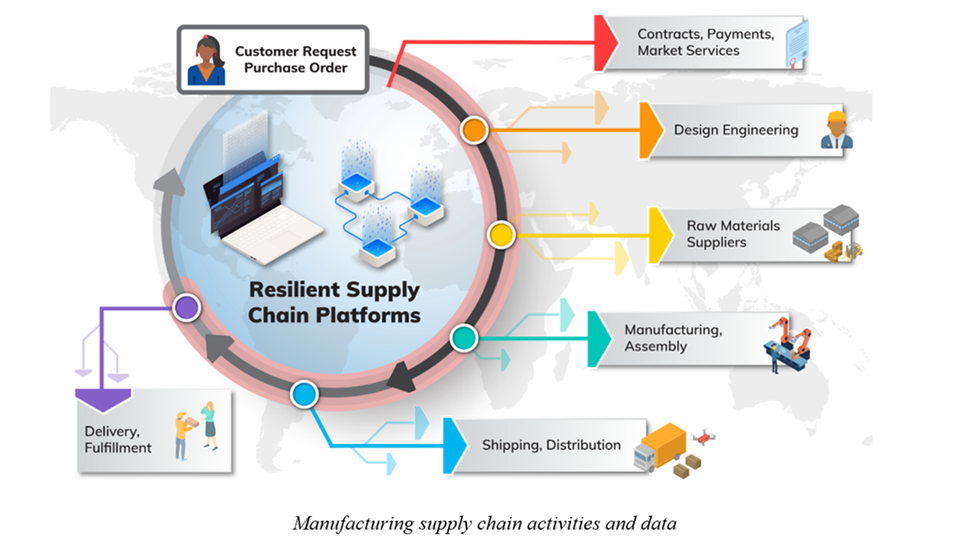
One of the most revolutionary technologies making waves in the supply chain realm is blockchain. It’s not just about cryptocurrencies; it’s about transparency, traceability, and trust. Companies like IBM and Walmart are leveraging blockchain to create an immutable ledger that records every transaction along the supply chain. This not only minimizes the risk of fraud but also ensures real-time visibility, empowering businesses to make informed decisions and respond swiftly to challenges.

2. Artificial Intelligence Unleashed:

The marriage of supply chains and artificial intelligence (AI) is proving to be a match made in efficiency heaven. Predictive analytics powered by AI enables companies to forecast demand more accurately, optimize inventory levels, and enhance overall supply chain visibility. Amazon, the e-commerce giant, is a prime example, using AI algorithms to predict customer preferences and optimize their vast network of fulfillment centers for faster and more precise deliveries.

3. Internet of Things (IoT) Revolution:

The Internet of Things is not just about smart homes and wearables; it’s also about creating smart supply chains. Companies are embedding sensors in everything from shipping containers to products themselves, generating a wealth of real-time data. This data helps in tracking the location and condition of goods in transit, ensuring that perishables stay fresh and that disruptions are promptly addressed. Maersk, a global shipping company, employs IoT to monitor container conditions, preventing spoilage and reducing waste.

4. Sustainable Logistics Practices:

Innovation isn’t just about technology; it’s also about rethinking traditional practices to align with environmental consciousness. Companies are increasingly adopting sustainable logistics practices to minimize their carbon footprint. Tesla, renowned for its electric cars, is also making waves in the logistics sector with its electric semi-trucks, promising reduced emissions and lower operating costs for long-haul transportation.

5. Robotics Reshaping Warehouses:

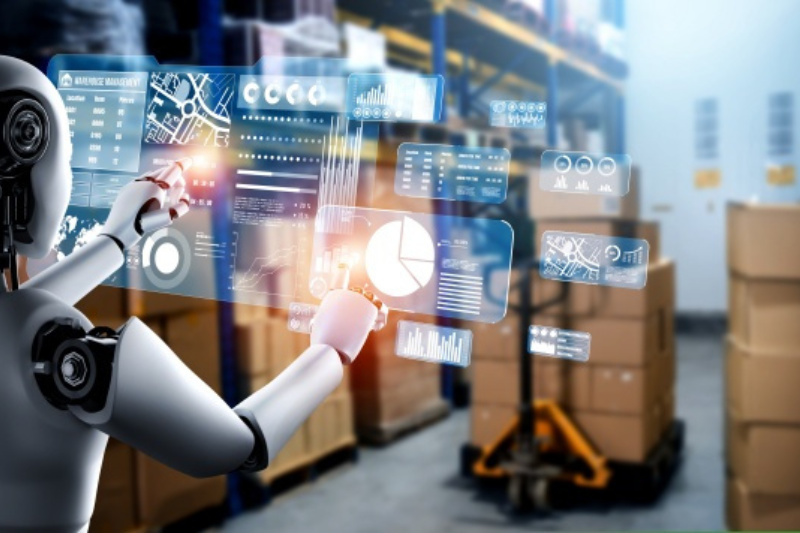
Enter the era of robotics in warehouses. The likes of Amazon and Alibaba are deploying robotic systems for tasks such as picking and packing, reducing human error and increasing efficiency. These robots work alongside human counterparts, creating a harmonious blend of automation and human expertise, resulting in faster order fulfillment and enhanced precision.

Innovation in supply chains isn’t a luxury; it’s a necessity in today’s fast-paced business landscape. Companies that embrace these technologies and practices not only streamline their operations but also set a new standard for industry excellence. As we navigate the future, one thing is clear – the companies that innovate today are the ones that will shape the supply chains of tomorrow, creating a more resilient, efficient, and sustainable global ecosystem. The revolution is underway, and these pioneers are leading the charge.


The Powerful Intersection Of AI, Data Analytics, And Predictive Insights

In today’s data-driven world, the convergence of artificial intelligence (AI) and data analytics has ushered in a new era of business intelligence and decision-making. This dynamic intersection has unlocked immense potential, particularly in the realm of predictive analytics, enabling organizations to anticipate future trends, optimize operations, and gain a competitive edge like never before. 

AI: The Engine of Transformation 

Artificial intelligence is the driving force behind the transformation of data analytics and predictive insights. Machine learning algorithms, neural networks, and natural language processing are some of the AI techniques that have revolutionized how organizations harness data. These technologies have the capacity to process vast datasets at lightning speed, recognize complex patterns, and make accurate predictions based on historical and real-time information. 

Data Analytics: The Foundation of Knowledge 

Data analytics is the cornerstone of any effective AI-driven predictive analytics system. It involves collecting, cleansing, and transforming raw data into actionable insights. Advanced analytics tools, such as data warehouses, data visualization platforms, and statistical modeling techniques, help organizations gain a comprehensive understanding of their data. By leveraging these insights, companies can make informed decisions and develop strategies that lead to improved outcomes. 

Predictive Analytics: Shaping the Future 

Predictive analytics takes advantage of AI and data analytics to forecast future events or trends with a high degree of accuracy. Whether it’s predicting customer behavior, stock market fluctuations, equipment maintenance needs, or disease outbreaks, predictive analytics offers a wealth of applications across industries. By analyzing historical data, identifying patterns, and continuously learning from new information, predictive models provide organizations with the foresight needed to make proactive decisions. 

Key Benefits of the Intersection 

  • Enhanced Accuracy: AI-powered predictive analytics significantly improves the accuracy of forecasts and predictions. By continuously learning from data, these systems adapt to changing conditions, reducing errors and false alarms. 
  • Efficiency: The speed and automation of AI-driven data analytics processes streamline operations and decision-making. This efficiency translates into cost savings and competitive advantages. 
  • Personalization: Predictive analytics powered by AI allows organizations to offer highly personalized experiences to customers. This personalization enhances customer satisfaction and drives loyalty. 
  • Risk Mitigation: Businesses can identify and mitigate risks more effectively by leveraging predictive insights. This includes identifying potential supply chain disruptions, fraudulent activities, or market downturns. 
  • Innovation: AI-driven data analytics fosters innovation by uncovering new opportunities, markets, and product/service improvements. 

Challenges and Considerations 

While the intersection of AI and data analytics holds great promise, it also comes with challenges. Ensuring data quality, privacy, and security is paramount. Ethical considerations around AI decision-making and bias must be addressed. Additionally, organizations must invest in data talent and infrastructure to harness the full potential of these technologies. 

Conclusion 

The synergy between AI, data analytics, and predictive analytics is reshaping industries and revolutionizing how businesses operate. As organizations continue to invest in these technologies, they gain a competitive edge by making data-driven decisions, anticipating market changes, and delivering personalized experiences to customers. The intersection of AI and data analytics is not just a technological advancement; it’s a fundamental shift in how we approach decision-making and innovation in the modern age. Those who embrace this intersection are poised to thrive in an increasingly data-driven world. 

Cost Optimization: The Key to Profitability and Competitiveness

Cost Optimization: The Key to Profitability and Competitiveness


In the ever-evolving world of business, one principle remains constant: the pursuit of profitability and competitiveness. To achieve these goals, companies need to be vigilant in their efforts to reduce costs while maintaining and even enhancing the quality of their goods and services. This ongoing endeavor, known as cost optimization, is not only crucial for bolstering profit margins but also for staying ahead in the competitive landscape and navigating economic turbulence.

What is Cost Optimization?

Cost optimization is the systematic process of identifying and reducing unnecessary expenditures across various facets of a company’s operations. It is not just a one-time project; rather, it is a continuous journey of cost-consciousness that spans from procurement and production to marketing and beyond. The goal of cost optimization is to strike the perfect balance between cost reduction and value creation, ensuring that a company’s operations remain efficient and effective.

Why is Cost Optimization Important?

Cost optimization holds a pivotal role in the success of any business for several compelling reasons.

1. Enhancing Profit Margins: At its core, cost optimization enables companies to bolster their profit margins. By slashing unnecessary expenses, businesses can retain a more substantial portion of their revenue, leading to increased profitability.

2. Gaining Competitive Advantage: In a world where competition is fierce, cost optimization can be the differentiating factor. Companies that manage to offer better prices or higher-quality products and services through efficient cost management can attract a more extensive customer base and gain market share.

3. Resilience in Economic Downturns: Economic downturns are inevitable, and companies that have optimized their costs are better equipped to weather the storm. By maintaining lower operating costs, businesses can absorb financial losses more effectively during challenging times.

Strategies for Cost Optimization

Several effective strategies can be employed to optimize costs within a company:

1. Reducing Waste and Inefficiency: Waste and inefficiency are common cost culprits. Streamlining processes, eliminating redundant steps, and using resources more efficiently can significantly reduce costs while maintaining or even improving product and service quality.

2. Negotiating Better Prices with Suppliers: Diligent negotiation with suppliers can lead to cost reductions on the goods and services required for a company’s operations. By fostering strong relationships with suppliers, companies can secure better deals, thus trimming costs.

3. Automating Tasks: Automation is a game-changer in cost optimization. It not only reduces labor costs but also enhances efficiency. Repetitive, time-consuming tasks can be streamlined through automation, freeing up valuable resources for more strategic endeavors.

4. Outsourcing Non-Core Functions: Specialized outsourcing partners can efficiently handle non-core functions, saving money and allowing in-house teams to focus on core competencies. This strategy optimizes costs while maximizing the expertise applied to critical areas.

5. Investing in Technology: Embracing technology is another powerful tool for cost optimization. Technologies like cloud computing can cut IT expenses, while customer relationship management (CRM) software can enhance sales and marketing efficiency, leading to reduced operational costs.

Real-World Examples of Cost Optimization

To illustrate the tangible benefits of cost optimization, let us explore two noteworthy examples:

1. Amazon: Amazon is a global e-commerce giant renowned for its relentless pursuit of cost optimization. The company leverages data analytics to identify and eliminate waste in its operations, while its aggressive supplier negotiation tactics are instrumental in cost reduction. This commitment to cost optimization enables Amazon to offer competitive prices and maintain high-quality services.

2. Walmart: Walmart, a retail titan, is famous for its low prices, achieved through meticulous cost optimization. The company employs strategies such as using private labels, optimizing inventory levels, and robust supplier negotiations. These practices have helped Walmart retain its competitive edge and offer budget-friendly options to customers.

Conclusion

In the ever-competitive business environment, cost optimization remains a critical process for companies of all sizes. By pursuing cost optimization, businesses can strengthen their profit margins, outshine their competitors, and fortify themselves against economic downturns. The strategies mentioned here, when implemented with a clear vision and patient persistence, can lead to significant cost reductions while maintaining or even improving product and service quality.

Furthermore, it is imperative for companies to set clear objectives, measure and track their progress, garner support from all levels of the organization, and understand that cost optimization is a journey that requires dedication and effort. With these principles in mind, businesses can unlock their potential for cost optimization, paving the way for greater profitability and competitiveness in an ever-evolving market.

Blockchain for Ethical and Sustainable Supply Chains

Blockchain technology is transforming the way that businesses operate, and supply chain management is no exception. Blockchain has the potential to make supply chains more transparent, traceable, and sustainable.

What is blockchain?

Blockchain is a distributed ledger technology that can be used to record transactions in a secure and tamper-proof way. It is best known for its role in powering cryptocurrencies, but it has the potential to be used in a wide range of other applications, including supply chain management.

How can blockchain be used for ethical and sustainable supply chains?

Blockchain can be used to track the provenance of products, from raw materials to finished goods. This can help to ensure that products are sourced ethically and sustainably and that they are not counterfeit.

For example, a company could use blockchain to track the supply chain of its coffee beans. The blockchain would record the origin of the beans, the farmers who grew them, and the processing and transportation companies that handled them. This would allow the company to verify that its coffee is sourced from sustainable farms and that it has not been tampered with along the way.

Blockchain can also be used to promote ethical labor practices in supply chains. For example, a company could use blockchain to track the working conditions of its suppliers’ factories. This would allow the company to identify and address any potential labor abuses.

In addition, blockchain can be used to improve the traceability of food products. This can help to ensure food safety and prevent foodborne illness outbreaks. For example, a company could use blockchain to track the movement of food products through its supply chain. This would allow the company to quickly identify and recall any contaminated products.

Benefits of using blockchain for ethical and sustainable supply chains

There are several benefits to using blockchain for ethical and sustainable supply chains, including:

  • Increased transparency: Blockchain can make supply chains more transparent by providing a tamper-proof record of all transactions. This can help to reduce fraud and corruption.
  • Improved traceability: Blockchain can help to improve the traceability of products, from raw materials to finished goods. This can help to ensure that products are sourced ethically and sustainably and that they are not counterfeit.
  • Enhanced food safety: Blockchain can help to enhance food safety by providing a way to track the movement of food products through the supply chain. This can help to quickly identify and recall any contaminated products.
  • Reduced environmental impact: Blockchain can help to reduce the environmental impact of supply chains by making it easier to track and manage resources. For example, companies can use blockchain to track the carbon footprint of their products.

Challenges of using blockchain for ethical and sustainable supply chains

There are also some challenges associated with using blockchain for ethical and sustainable supply chains, including:

  • Cost: Blockchain technology can be expensive to implement and maintain.
  • Complexity: Blockchain technology can be complex to understand and implement.
  • Lack of standardization: There is currently a lack of standardization around blockchain technology, which can make it difficult to implement and integrate with other systems.
  • Regulatory uncertainty: There is currently some regulatory uncertainty around blockchain technology.

What are some examples of companies that are using blockchain for ethical and sustainable supply chains?

  • IBM and Walmart: IBM and Walmart are working together to use blockchain to track the provenance of food products.
  • Pfizer and MediLedger Network: Pfizer and MediLedger Network are using blockchain to prevent counterfeit drugs.
  • Unilever and IBM: Unilever and IBM are using blockchain to promote sustainable palm oil production.
  • IBM and Everledger: IBM and Everledger are using blockchain to track the supply chain of diamonds, from mine to market.
  • BHP and IBM: BHP and IBM are using blockchain to improve the efficiency and transparency of the iron ore supply chain.

As blockchain technology continues to mature and become more widely adopted, we can expect to see more innovative and impactful applications in this area and more companies using the technology to improve the sustainability and ethics of their supply chains.

What steps can companies take to get started with using blockchain in their supply chain?

  1. Educate themselves about blockchain technology. There are a number of resources available online that can help companies to learn more about blockchain technology. Companies can also attend industry events or hire consultants to help them understand blockchain and its potential applications in their supply chain.
  2. Identify the specific areas of their supply chain where blockchain could be used to improve efficiency, transparency, or sustainability. Once companies have a good understanding of blockchain technology, they can start to identify specific areas of their supply chain where it could be used to make improvements.
  3. Pilot a blockchain project. Once companies have identified specific use cases for blockchain in their supply chain, they can start to pilot a project. This will help them to learn more about the process of implementing blockchain and to identify any potential challenges.
  4. Scale up the blockchain project. Once companies have successfully piloted a blockchain project, they can start to scale it up to other areas of their supply chain. 

Here are some additional tips for getting started with blockchain technology:

  • Start small: Don’t try to implement blockchain across your entire supply chain all at once. Start with a small pilot project and learn as you go.
  • Partner with other companies: Blockchain is a collaborative technology. Partnering with other companies in your supply chain can help you to share costs and resources, and to create a more effective blockchain solution.
  • Use a managed blockchain service: There are a number of companies that offer managed blockchain services. This can be a good option for companies that don’t have the expertise or resources to manage their own blockchain network.

What are some of the blockchain technologies that can be used for the supply chain?

  • Hedera Hashgraph: Hedera is a public blockchain platform that is designed for enterprise use to be fast, secure, cost-effective, and scalable. It uses a unique consensus mechanism called Hashgraph, which allows it to process transactions at a high rate without sacrificing security or decentralization. Hedera is well-suited for supply chain management because it can handle large volumes of transactions quickly and securely.
  • Hyperledger Fabric: Hyperledger Fabric is a permissioned blockchain platform that is also designed for enterprise use. It is highly scalable and secure, and it offers a variety of features that make it well-suited for supply chain management, including private channels, confidential transactions, and support for multiple smart contract languages.
  • IBM Food Trust: IBM Food Trust is a blockchain-based platform that is designed to improve the traceability and transparency of food supply chains. It allows food companies to track the movement of food products from farm to fork, and it provides consumers with information about the origin and quality of their food.
  • VeChainThor: VeChainThor is a public blockchain platform that is designed to improve the transparency of supply chains. It uses a variety of technologies, including RFID tags and IoT devices, to track the movement of goods and products.
  • Everledger: Everledger is a blockchain-based platform that is used to track the provenance of diamonds and other high-value assets. It allows businesses to verify the authenticity of their products and to track their movement through the supply chain.

Where can I read more?

Here are some resources companies can use to get started with blockchain:

  • Blockchain for Supply Chain Management: A Comprehensive Guide by IBM
  • Blockchain for Supply Chain: A Practical Guide by Deloitte
  • Blockchain for Supply Chain Transparency and Traceability by Amazon Web Services
  • Supply Chain Blockchain Consortium


We recommend that companies learn more about blockchain and how it can be used to improve supply chains. Blockchain is a transformative technology that has the potential to make supply chains more ethical, sustainable, and transparent. Companies that are early adopters of blockchain will be well-positioned to reap the rewards of this technology.