
Benefits & Challenges: Implementing Electric & Autonomous Vehicles

Electric and autonomous vehicles are emerging technologies that have the potential to revolutionize logistics operations. Here are some benefits and challenges of implementing these vehicles in the logistics industry:

Benefits:

  1. Environmental Sustainability: Electric vehicles produce zero tailpipe emissions, reducing greenhouse gas emissions and improving air quality.
  2. Cost Savings: Electric vehicles are more fuel-efficient than traditional vehicles, resulting in lower operating costs in the long run.
  3. Increased Efficiency: Autonomous vehicles have the potential to streamline logistics operations, reducing delivery times and increasing productivity.
  4. Improved Safety: Autonomous vehicles eliminate human error and fatigue, leading to safer transportation of goods.
  5. Enhanced Tracking and Traceability: The integration of autonomous vehicles with advanced tracking technology enables real-time monitoring of shipments.

Challenges:

  1. Infrastructure Limitations: Widespread adoption of electric vehicles requires a robust charging network that is currently lacking in many regions.
  2. Range Limitations: Electric vehicles have limited travel distances compared to traditional vehicles, requiring careful route planning and infrastructure support.
  3. Initial Investment: The deployment of electric and autonomous vehicles requires significant upfront investment for both the vehicles and the necessary infrastructure.
  4. Regulations and Safety Concerns: The implementation of autonomous vehicles raises concerns about liability, regulations, and potential security vulnerabilities.
  5. Workforce Adaptation: The shift to electric and autonomous vehicles may require training and re-skilling of the existing logistics workforce.

In conclusion, while there are significant benefits to implementing electric and autonomous vehicles in logistics operations, there are also challenges that need to be addressed. However, with continued advancements in technology and infrastructure support, these vehicles hold great potential to transform the logistics industry.

For help with your logistics or supply chain strategy, contact [email protected].

Building a More Resilient Supply Chain: Using Strategic Partnerships and Supplier Diversification

In today’s rapidly changing world, building a resilient and adaptable manufacturing supply chain is crucial for businesses to remain competitive and thrive. One effective way to achieve this is through strategic partnerships and supplier diversification.

Strategic partnerships involve collaborating with key suppliers to establish long-term relationships built on trust, transparency, and mutual benefit. By working closely with these suppliers, businesses can gain a deeper understanding of their operations, capabilities, and potential risks. This enables them to anticipate and respond effectively to any disruptions that may arise in the supply chain.

Supplier diversification is another crucial strategy to enhance resilience. Relying on a single supplier for critical components or materials can increase the risk of disruptions due to unforeseen events. By diversifying their supplier base, businesses can spread the risk and minimize the impact of any potential disruptions. This can be done by identifying and developing relationships with alternative suppliers who can provide similar products or services.

Moreover, businesses should regularly evaluate the performance and capabilities of their suppliers to ensure they are meeting the required standards. This can involve conducting regular audits, assessing their financial stability, and monitoring their capacity to meet demand. By proactively managing supplier relationships, businesses can identify potential risks and address them before they become critical issues.

Additionally, leveraging technology can significantly enhance the resilience and adaptability of a manufacturing supply chain. Advanced analytics, artificial intelligence, and internet of things (IoT) technologies can provide valuable insights into the supply chain, enabling businesses to identify potential bottlenecks or disruptions in real-time. This enables swift decision-making and proactive measures to mitigate the impact.

In conclusion, building a resilient and adaptable manufacturing supply chain requires a strategic approach that involves establishing strong partnerships with key suppliers and diversifying the supplier base. Regular evaluation of supplier performance, leveraging technology, and proactive risk management are also crucial for ensuring continuity and success in today’s fast-paced business environment.

The Role of Predictive Analytics: Optimizing Inventory Management

Predictive analytics has emerged as a powerful tool in optimizing inventory management and reducing waste for businesses. By analyzing historical data and using statistical models, businesses can forecast future demand and make informed decisions about inventory levels.

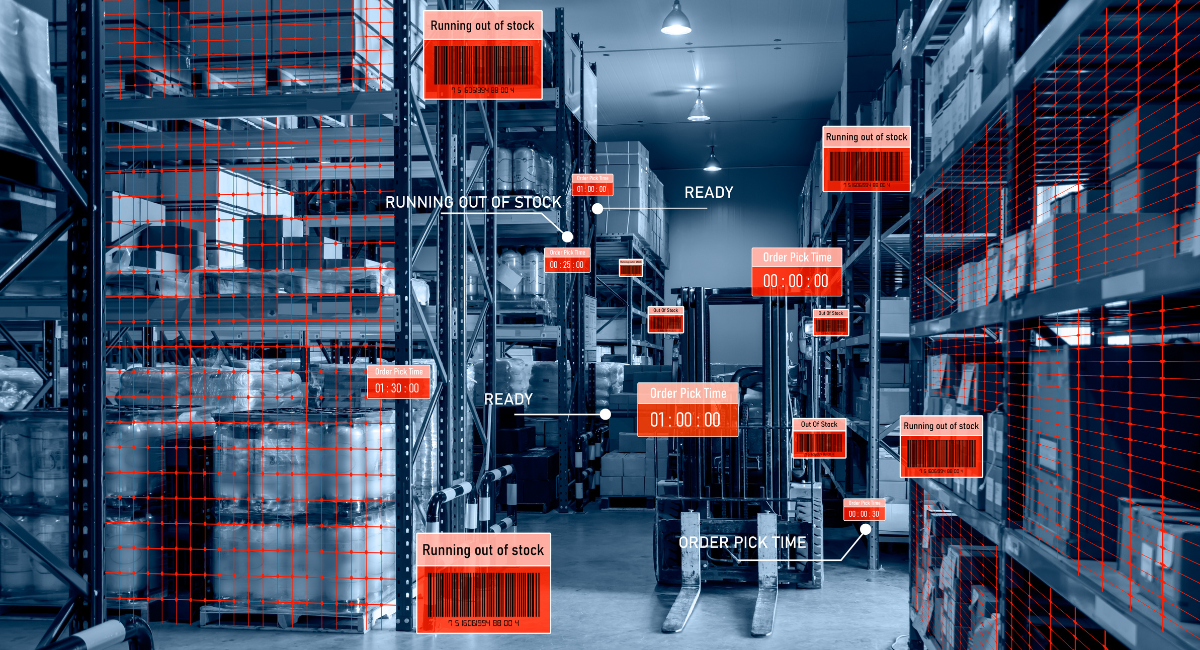
With predictive analytics, businesses can minimize stockouts by ensuring that they have enough inventory on hand to meet demand. By accurately predicting future demand, businesses can avoid overstocking and the associated costs of holding excess inventory.

In addition, predictive analytics can help businesses identify trends and patterns in consumer behavior. By understanding customer preferences and purchasing habits, businesses can make more accurate predictions about which products will be in high demand.

By optimizing inventory levels, businesses can also reduce waste. Overstocked items that are not sold before they expire or become obsolete can lead to significant financial losses. Predictive analytics helps businesses avoid these losses by ensuring that inventory levels are aligned with demand.

Furthermore, predictive analytics can be used to optimize supply chain management. By predicting demand, businesses can work with suppliers to ensure that they have enough raw materials or components on hand to meet production requirements.

In conclusion, predictive analytics plays a crucial role in optimizing inventory management and reducing waste. By accurately forecasting demand, businesses can avoid stockouts, minimize overstocking, and reduce the financial losses associated with waste. By understanding consumer behavior and predicting trends, businesses can make more informed decisions about which products to stock. Ultimately, predictive analytics enables businesses to improve efficiency, reduce costs, and enhance customer satisfaction.

Elevate Your Asset Tracking with IDM Products!

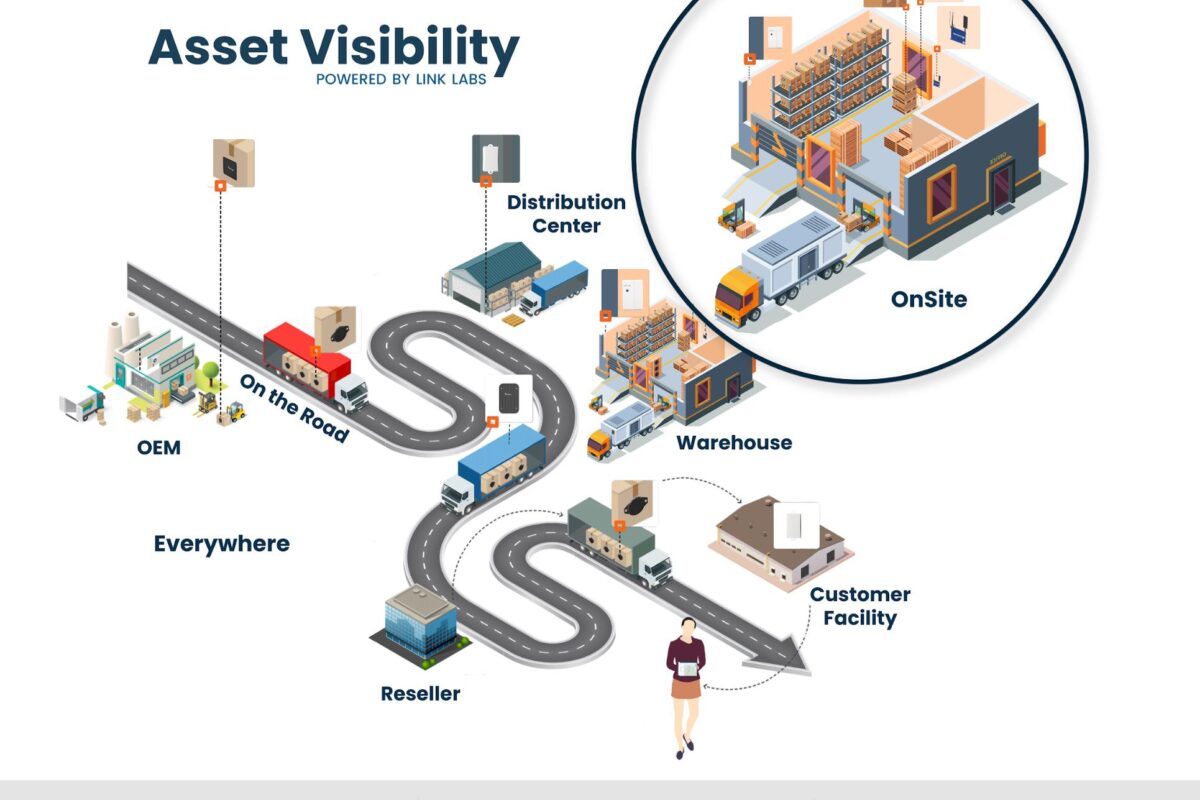
Looking for the ultimate asset tracking and management solution? IDM Products has you covered!
Discover the top 5 reasons why our technology should be your go-to choice:

🎯Pinpoint Precision: Experience unparalleled accuracy in asset tracking. Our technology enables you to locate your valuable assets in real-time, eliminating uncertainty and boosting operational efficiency.

🎯 Seamless Scalability: No matter the size of your asset network, our technology scales effortlessly to meet your demands, ensuring consistent performance as your business expands.

🎯 Reliable Connectivity: Trust in seamless asset tracking with our technology. Stay connected across diverse environments, indoors and outdoors, for a worry-free tracking experience.

🎯 Actionable Insights: It’s not just tracking – it’s about making informed decisions. IDM Products empowers you with insights into asset utilization, movement trends, and optimization strategies.

🎯 Future-Focused Innovation: IDM Products is your gateway to the future of asset tracking. Stay ahead with cutting-edge technology that sets new industry standards.

Ready to revolutionize your asset management? Connect with IDM Product sat [email protected] today!

🌐 Let’s explore how we can reshape your tracking strategies for the better.